Who Is a Good Candidate for Braces for Adults?
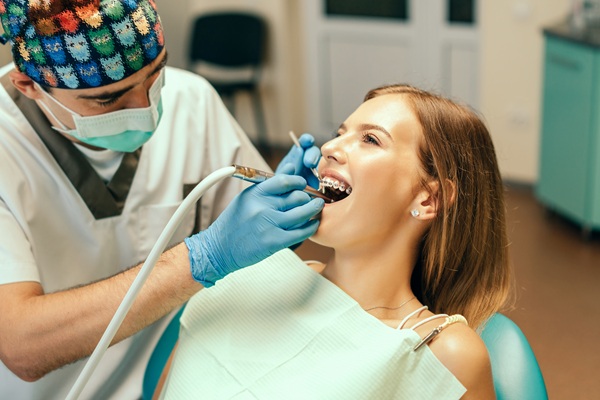
Braces for adults can improve tooth alignment, bite function, and appearance, helping patients achieve a healthier, more balanced smile. Contrary to popular belief, orthodontic treatment is not only for children and teens, since teeth can shift at any stage of adulthood. However, to determine whether braces are the right option for you, we strongly encourage you to connect with our orthodontist for an in-depth evaluation.
Ideal candidates for braces for adults
Note that our orthodontist requires every patient to undergo a physical evaluation, which includes imaging, to determine whether they are an ideal candidate for braces. Here are the features of an ideal candidate:
Adults with crowded or crooked teeth
Crowding is one of the most common reasons patients consider braces for adults. Teeth may overlap, twist, or sit out of position when there is not enough space in the dental arch. These malocclusions (misalignments) can affect not only how the smile looks in photos, conversations, and professional settings, but also oral hygiene, as it can be difficult to reach the full surfaces of the teeth when brushing and flossing.
Adults with bite concerns
A bite concern, also known as malocclusion, occurs when the upper and lower teeth do not meet properly. This may include an overbite, underbite, crossbite, open bite, or deep bite. These concerns can affect chewing, speaking, tooth wear, and pressure on the jaw. The orthodontist can evaluate whether braces may help improve how the teeth fit together. Better bite alignment can reduce uneven pressure on certain teeth and support more comfortable daily function. Treatment plans may also include elastics, expanders, or other orthodontic appliances when needed.
Adults with shifting teeth
Teeth can shift over time, even after previous orthodontic treatment. Changes in the jaw, missing teeth, gum concerns, natural aging, and inconsistent retainer use can all affect alignment, making some notice new spacing, crowding, or movement years after braces. Braces for adults can help correct this shifting and restore a more balanced smile. A new plan may focus on only a few teeth or may address the entire bite.
Adults with healthy gums and teeth
Healthy gums and teeth provide the best foundation for orthodontic treatment. Gum disease, untreated cavities, cracked teeth, or active infections may need care before braces begin. In these cases, our orthodontist may work with a general dentist or a periodontist to ensure the mouth is ready for treatment.
Aforementioned, good oral hygiene is vital during braces treatment. Like natural teeth, brackets and wires can create extra areas where food and plaque collect. Patients who maintain consistent brushing, flossing, and dental visits can help protect enamel and gum health throughout the process.
Age is not the only factor
Adults of all ages can benefit from braces when their teeth and gums are healthy enough to move. The more important factors involve oral health, bone support, bite concerns, and commitment to daily care. Further, some may need restorative care, gum treatment, or tooth replacement before braces begin, while others may need braces for adults before receiving veneers, implants, or other cosmetic services. Coordinated planning can help ensure each step supports the final smile and overall oral function.
Schedule an evaluation
Braces for adults can help improve crowding, spacing, bite alignment, and tooth movement that develops over time. With proper care and consistent follow-up, braces can support a straighter smile and a more comfortable bite at any stage of adulthood. If you believe you fit the above ideal candidate description, contact our office to schedule an evaluation.
Request an appointment here: https://paramountorthodontics.com or call Paramount Orthodontics at (562) 367-7034 for an appointment in our Downey office.
Check out what others are saying about our dental services on Google: Braces For Adults in Downey, CA.
Related Posts
Invisalign® is a popular procedure that uses transparent aligners to correct misalignments. Their design makes them a lot more comfortable than conventional braces. Since Invisalign aligners are removable, you can eat all of your favorite meals and participate in all of your favorite activities without worrying about having to go to the orthodontist for damaged…
Invisalign® allows people to straighten their teeth without needing the metal brackets and wires with conventional braces. Invisalign trays are transparent and almost undetectable on the teeth. However, what exactly are those trays composed of? Continue reading to discover more about how the trays' material and design move your teeth around.Invisalign clear aligners, often known…
Invisalign® treatment demands wearing the aligners for at least 22 hours a day. Read on to learn more about what it is like to sleep while wearing Invisalign aligners. The only time you should take your Invisalign aligners out of your mouth is to eat, drink anything other than water, and brush your teeth. That…
Patients undergoing Invisalign® treatment often want to know how long they will need to wear their aligners. Read on to learn how long the aligners need to be worn. Several variables determine the length of Invisalign treatment, and one of the most important is how long you wear your aligners each day.Invisalign treatment can take…